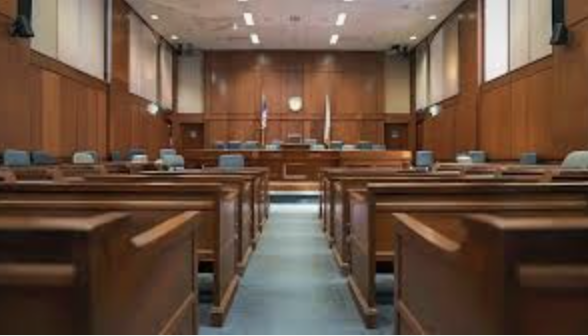
After a conviction in a Virginia felony case — whether by plea or trial — the next step is the sentencing hearing.
For many defendants, this is the most important day in the entire process.
It’s when the judge decides how much time (if any) you’ll serve, what conditions you’ll face, and what your future will look like after court.
This post explains how sentencing hearings work in Virginia, what’s done to prepare, what happens in the courtroom, and how you and your attorney can influence the outcome.
A guide from Cardon Law.
This is general information, not legal advice. For personal guidance in a felony or misdemeanor sentencing, call (757) 306-9060.
1) Preparing for Sentencing — The Presentence Report and Guidelines
Before a felony sentencing hearing, two critical documents are created and reviewed:
A. Sentencing Guidelines Worksheet
Prepared according to Virginia Code § 19.2-298.01, these guidelines are a structured scoring system that recommends a range of punishment based on:
- The offense itself (its classification and severity)
- The defendant’s prior criminal record
- Aggravating or mitigating factors, such as violence, use of a weapon, or cooperation with police
The goal is to make sentencing consistent across the Commonwealth — but judges are not required to follow the guidelines. They may impose a higher or lower sentence depending on the facts.
B. Presentence Investigation Report (PSI or PSR)
If ordered by the judge (often after a guilty plea or conviction), the probation officer prepares a Presentence Investigation Report under Virginia Code § 19.2-299.
This report includes:
- Personal background (family, education, employment, finances)
- Criminal history
- Physical and mental health history
- Substance abuse or treatment history
- Victim impact statements
- Community reputation and prior supervision performance
The probation officer interviews the defendant, reviews records, and may contact employers, family, or treatment providers.
When completed, the PSI report and guidelines are sent to both the defense attorney and the prosecutor before the hearing.
Each side reviews them for accuracy and can object or correct errors (for example, an incorrect prior conviction or mistaken fact about the defendant’s history).
2) The Sentencing Hearing — A “Mini-Trial” Before the Judge
The sentencing hearing in Circuit Court is often described as a mini-trial — a focused presentation of evidence and argument to persuade the judge about what the sentence should be.
Here’s what typically happens:
A. Commonwealth’s Attorney Presents First
The prosecutor may:
- Summarize the case facts and any aggravating factors
- Call victims or family members to testify about the impact of the crime
- Introduce evidence such as photos, restitution records, or statements
- Argue for a sentence within or above the guidelines
B. Defense Presentation
Your attorney then presents mitigation evidence — reasons for leniency and rehabilitation. This can include:
- Testimony from family, friends, clergy, or employers
- Documents showing education, employment, or community service
- Proof of treatment or counseling for substance abuse or mental health
- Restitution receipts or payment plans
- Certificates of achievement, military service, or school enrollment
- Video statements or expert testimony if appropriate
- offer the appropriateness of alternative sentencing options
The defense’s goal is to show the judge the person behind the case — not just the charge.
3) Allocution — The Defendant’s Right to Speak
Before the judge announces the sentence, the defendant is given a chance to speak directly to the court.
This is called allocution, a long-standing right under Virginia law and common practice in felony sentencing.
The judge may ask:
“Would you like to say anything before the court imposes sentence?”
This is your opportunity — not to re-argue the case — but to express genuine remorse, responsibility, gratitude, or plans for change.
A thoughtful, sincere allocution can have a real impact on the court’s decision.
4) The Judge’s Decision
After hearing from both sides, reviewing the Presentence Report, and considering the guidelines, the judge imposes sentence.
The judge must state on the record that they have reviewed and considered the sentencing guidelines, even if they choose to depart from them.
If the judge sentences outside the guideline range, they must briefly explain the reason.
Possible outcomes include:
- Active incarceration (in jail or prison)
- Suspended sentence (time not served unless probation is violated)
- Supervised or unsupervised probation
- Restitution to victims
- Treatment, community service, or education requirements
- Alternative sentencing options – Detention, Diversion, Therapeutic Communities, Electronic Home Monitoring, House Arrest
The sentence is entered into the court record, and the defendant begins serving or arranging compliance immediately.
5) After the Hearing — Appeals and Modifications
After sentencing:
- Your attorney can review whether to file an appeal within 30 days under Virginia Code § 17.1-406.
- The court retains limited authority to modify or reconsider a sentence within 21 days of entry under Rule 1:1 of the Supreme Court of Virginia.
- Probation conditions or restitution amounts can sometimes be reviewed or adjusted later.
Quick Checklist: What Happens Before and During Sentencing
| ✅ Stage | 💡 What It Involves |
|---|---|
| Sentencing guidelines worksheet | Calculates recommended range based on offense and record |
| Presentence report (PSI) | In-depth background prepared by probation officer |
| Review by attorneys | Both sides check for accuracy and prepare responses |
| Hearing presentation | “Mini-trial” with witnesses, documents, and arguments |
| Allocution | Defendant’s right to address the court before sentence |
| Judge’s ruling | Judge reviews all evidence, guidelines, and imposes final sentence |
FAQ
Can I review my presentence report before sentencing?
Yes. Your attorney will go over it with you in detail to correct any mistakes or add missing information.
Do judges always follow the sentencing guidelines?
No. They must consider them but may go higher or lower if justified.
What should I say during allocution?
Speak sincerely about accountability, lessons learned, and future goals. Avoid excuses or minimizing the crime.
Can family members speak at the hearing?
Yes. Defense witnesses — including family and friends — can testify about your character, rehabilitation, or support system.
Can sentencing be delayed?
Sometimes. If more time is needed to gather records or treatment documentation, your attorney can request a continuance.
Preparing for Sentencing in Virginia? Knowledge Is Power.
A sentencing hearing can be the turning point in your case. The preparation, presentation, and professionalism of your defense often make a meaningful difference.
At Cardon Law, we handle every stage — from reviewing presentence reports to presenting mitigation evidence — with experience, compassion, and attention to detail.
📞 Free Consultation: (757) 306-9060
📱 24/7 Direct to David A. Cardon: (757) 620-3283
Serving Virginia Beach, Norfolk, Chesapeake, Portsmouth, and Hampton Roads.